
In this candid conversation, Ann sits down with Leah Miller, a former litigation paralegal who became a firm administrator, then CFO, and eventually launched her own fractional CFO company serving law firms nationwide.
This isn’t a “quit your job and chase your dreams” story.
It’s an honest discussion about:
✔️ What it really takes to leave a stable law firm job
✔️ The financial risks most paralegals underestimate
✔️ Why connections won’t automatically bring you clients
✔️ The income reality of year one in business
✔️ How LinkedIn can change your trajectory
✔️ Why understanding firm economics makes you more valuable
If you’re considering paralegal freelancing, consulting, virtual work, or launching your own firm-support business, this episode will help you think strategically before you leap.
Meet our podcast guest
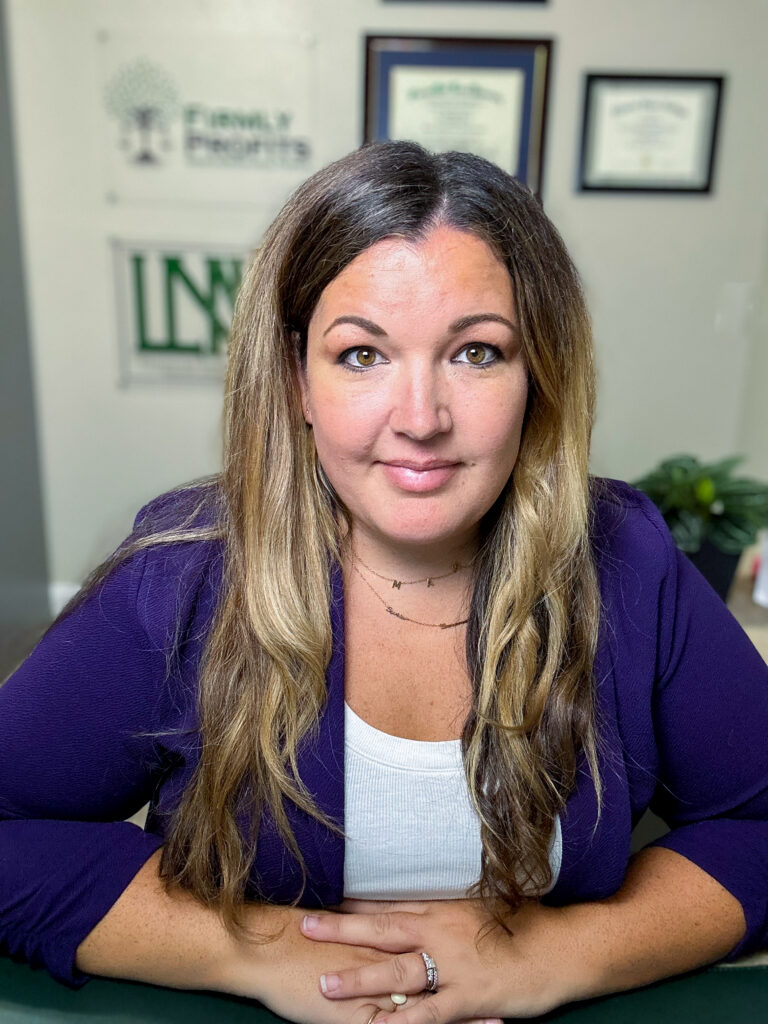
Leah Miller, CEO of Firmly Profits
After almost a decade as the Firm Administrator and CFO of a personal injury law firm Leah understands the unique challenges law firms face when it comes to managing financials within the firm. In 2023, Leah decided to take this experience to help law firm owners across the Country reach their growth goals. Through Firmly Profits, Leah provides Fractional CFO Services to law firms who have growth goals and need extra help with financial analysis.
The video transcript
ANN PEARSON
All right. Hello everybody. I know how much you love the episodes when I talk to people who are former paralegals and are doing something completely different, but doing it based on their exposure to being a paralegal. And so today I’m joined by Leah Miller, and she is the owner of Firmly Profits, which is a company that provides fractional CFO and accounting services for law firms with a focus on growth.
And Leah, like all of you, was a former paralegal before she started her company. And so I thought today would be good to talk to her, not just about how her paralegal experience got her into her current business ownership, but also for some of you who maybe are thinking that maybe you’ve been a paralegal for 10, 20, 30 years, and you have a business idea.
Today’s just going to be a casual discussion between [00:01:00] me and Leah, and we’re going to talk about business ownership and how her paralegal experience got her there. So welcome to the show, Leah. Thank you for having me. I’m excited for this discussion. Well, so let’s let everybody know how you became a business owner and especially a fractional CFO?
I love the name, by the way. Firmly Profits. Yeah, that’s a great name. But how did being a litigation paralegal lead you to being a business owner?
LEAH MILLER
So I, um, kind of happened into the paralegal field. Somebody I knew was hiring legal assistants, and I was kind of lost in college and needed a job. So that’s what I became a legal assistant first.
And I loved the legal field, so I switched my major, and I was going for my paralegal degree. And I ended up working in a firm, a personal injury firm, and my goal was one day I thought I was going to be like old when I did this, like in my forties, and I’m almost 40. So like [00:02:00] now I’m like, that’s not old.
But when I was 25, it felt really far away. I wanted to manage a law firm. Like that was the ultimate goal of what I wanted to do. Um, right place, right time, and a lot of hard work. I got that opportunity when I was 27. Um, our office manager left. My old boss looked at me, and I told him I could manage your firm.
So I started managing the firm. I was still the lead litigation paralegal. Um, and I continued doing that work. I went, uh, finished my bachelor’s degree, went back and got my MBA. And during that time, my role really evolved to Firm administrator, CFO. I was doing all the financials, and still doing a lot of litigation paralegal-type work.
I was training the paralegals at the firm, so I was really doing a little bit of everything. Um, and I kind of reached my goal like way earlier than I thought I would. And so I started thinking about, you know, other things that I could do. I started doing some bookkeeping and [00:03:00] kind of financial consulting on the side, um, with people I knew, other lawyers I knew.
I realized that there was this whole world out there of, you know, other opportunities, and I had really reached kind of the end of my journey as, you know, firm admin. There was, there wasn’t much more growth there; there wasn’t a lot of other things I could do. And so, in May 2023, I quit my full-time job as a firm administrator, litigation paralegal slash CFO, and I went out on my own and started my bookkeeping and fractional CFO firm.
ANN
Wow. So, can I ask how big a firm it was? There were three attorneys and like six support staff, so we weren’t huge.
LEAH
I had tried to apply for jobs within other firms, like bigger firms, but again, I was kind of running the whole firm, and so there would’ve been a different dynamic if I went somewhere else.
And so there wasn’t really anywhere else to go up from [00:04:00] there, um, that I wanted to do.
ANN
The reason I ask is that I had Jacob Reader on my show a few weeks ago, and he had a similar experience. That leads me to think that at a small firm, when you’re at a small firm, you get these opportunities that you might not otherwise have had.
If you had gone to a big firm, they wouldn’t have asked you to be their office manager.
LEAH
At 27, they wouldn’t say, oh, let’s, you know, start working on our books and help us grow the firm. Yeah. You know, I always said while I was there, could I have gone to a bigger firm and made a lot more money as a paralegal?
Probably. Um, there was a time that that could have happened, but there were a lot of benefits to staying in a smaller firm. You know, I had a lot of flexibility. Not as much as I do now as a business owner, but I had a lot of flexibility as a paralegal. I got to do really cool things. So like when we went to trial, I got to sit at the head table with the [00:05:00] attorney.
I got to participate in voir dire and help pick a jury. And I was really involved in all of those processes that I probably wouldn’t have been able to do had I been at a bigger firm. Along with I really got to kind of take the reins on the running of the firm and the financials and all of that, and I got an all around in person like education on how a law firms run because I was at a small firm
ANN
And I’ll bet that experience really helped you in your business, right?
LEAH
Absolutely. So, you know, now I have a team that’s almost as big as the firm I was at, and I learned how to treat my team, how not to treat my team. Um, you know, how, how to run a business.
The attorney I worked for, he was really good with money and running a business and all of that. And so I really, the foundation of the way I run my firm now, even though [00:06:00] it’s not a law firm, comes from that experience.
ANN
Okay. What would you say, from a paralegal skill perspective, what would you say would be some of the traits or skills that have come over into your business that help you be a better business owner?
LEAH
You know, I think as a paralegal, I had the attitude that I could figure things out. I could do a lot of different things, kind of a take-charge attitude. Um, and I think that helped me excel as a paralegal, and it definitely helps me excel as a business owner now. Um, and just understanding processes and how things work.
You know, whether it’s a law firm or what I do now, it’s important to have a certain process, how to, um, talk to clients, you know, as a paralegal. Definitely talk to a lot of clients, some happy, some not happy. Um, and I talk to them at a time when it wasn’t the greatest time in [00:07:00] their life. And so, you know, now I talk to law firm owners, but they’re a little apprehensive about finances sometimes, or it may not be the best time in their business.
And so that really helps me relate to them.
ANN
Let’s talk about that for the people who don’t know, because I know as a business owner what a fractional CFO is. And obviously, most people know what an accountant is, but tell us what you do as a fractional CFO for a law firm.
LEAH
Okay, so accounting, bookkeeping, all of that is looking at the past, and that’s, you know, making sure we have all the information we need.
Um, then your CPA files your taxes as a fractional CFO. What I do is I help law firm owners look to the future. So, you know, what does our cash flow look like if we’re a personal injury firm? It takes 12 to 18 months to move a case through the pipeline before the firm even sees any revenue. During that time, the firm is paying the paralegals, [00:08:00] paying the associate attorneys, paying case costs and things like that.
And so we have to plan for cash flow, plan a budget, um, different things like that. And, you know, it’s funny, I don’t necessarily work directly with paralegals anymore. But what I do affects them in a lot of ways. And you know, I advocate for what can we spend money on to help the process so that we can help our paralegals move the cases through and things like that.
Um, and so that’s a lot of what we focus on is like planning for the financial future of the firm.
ANN
I love that. And I love that you specialize in law firms because it’s a totally different, I’m sure there are probably hundreds of fractional CFOs out there that work for. Companies like mine or marketing companies or advertising agencies.
But a law firm is a completely different financial drama, I imagine, right?
LEAH
It is, especially when you talk about contingency fee firms. So you’re, you know, [00:09:00] bringing in a case, you’re putting out money, everybody’s working on a case, and you don’t see any money for 12 to 18 months. In some cases. If you go to trial and you lose the trial, you don’t see any money.
And so. It’s a big difference in just regular service-based businesses. I also understand the need for some of the software that we pay for and case management software and things like that. Um, I also understand the dynamic within a law firm, and so there’s a, we know there’s a different dynamic between attorneys and law firm owners and paralegals and the support staff and things like that.
I like to believe I’m an advocate for all of those people because I’ve been in it, I know the operations of it, and so instead of just talking about things from a purely financial standpoint, I have the conversations of like, how does this affect, you know, the culture? How do we make sure that we’re supporting our paralegals so that we can make the revenue and we can make money in our firm?[00:10:00]
ANN
So let’s jump back a little bit to when you started the business, because one of the things I want to be careful of on here, um, anybody who’s listening, who’s thinking, okay, I’m, I’ve been thinking about starting my own business. I’ve been a paralegal for 10, 15, 20 years. I think you were a paralegal.
Paralegal and office manager. That was probably what, 13 or 15 years?
LEAH
Yeah, about 15 years.
ANN
So that’s, you know, usually when someone might think about, maybe I’ve grown as far as I can grow here, I want to start my own business. I have this great idea. Um, it’s not easy when you first start, right? Uh, particularly in the first few years.
How did you decide, okay, I can create this business and make enough money to make up for my salary, my benefits, and retirement? Like, how do you know? Or what did you know at that time?
LEAH
So, you know, starting out, the biggest thing is how much do [00:11:00] you need? Um, and so that’s one of the things I figured out with, you know, my husband was how much do, what’s the minimum I need and how am I going to do that?
And, you know, I started building that and tried to have some kind of, you know, savings. Um, I will say that. It takes a lot of work. So right now, you know, if people see it from the outside in, um, you know, like if you go follow me on LinkedIn, I just bought a farm this summer. I have all these farm animals. I, in the middle of the day, sometimes go out and, you know, play with my farm animals.
What you don’t see is those first couple of months, year, you know, me putting my kids to bed and working until midnight. Um, to have that flexibility. And even now it’s, uh, you know, it’s a constant. If you’re not constantly bringing in new work, you don’t get the money. [00:12:00] Um, I will say the first, as you know, law firms are probably one of the last industries that really do like bonuses, especially at Christmas and stuff like that. Like, you know, that kind of changes. A lot of firms still do that. I used to get pretty decent bonuses at Christmas, that first Christmas when I didn’t get the bonus, but like I had to pay my own bonus. I don’t get this like huge chunk of money in December. I’ve got a plan for that. Um, my, I remember vividly, my husband said, I was telling my husband like that first summer, like, oh, I want to buy this thing, like for my computer. And he is like, well use the credit, the firm credit card. And I’m like, yeah, you know, I pay the firm credit card now, right?
Like, it’s not, it’s not the law firm’s credit card. So while it’s very rewarding, I would say I put in 10 times plus the amount of work than I ever did in the firm. And I put a lot into the law firm I worked at, [00:13:00] and you know, it’s, it’s a lot of work. It’s around-the-clock work and worry. Um, I tell people it’s like a roller coaster.
You know, some days are fantastic days, especially if you are starting a business where you’re working with law firms and lawyers. Um, it can be a lot of up and down, uh, like of, of emotions, you know. Um. I went through like the month of December, everybody gets really frantic about their finances and I felt like everybody was just mad about everything and like nobody was happy when they were talking to me.
And then I come into January like people are in a better mood. And so, you know, it’s a lot of up and down. It’s very rewarding, but it’s a lot, a lot of hard work for sure.
ANN
Do you think, after having now been in business for yourself, if you ever were to go back to work for a law firm? Tell me if this is true for you, because it’s true for me, anyway, having been a business owner.
Well, first, [00:14:00] let me clarify. I would never go back to work for anybody else. It’s been 15 years since I’ve been in business. It just would be impossible. But if I were to, I would have a better understanding and maybe even a little bit more sympathy for the firm owners, right? As when you’re starting out as a paralegal in the firm, and you’re wondering, why can’t they pay me this? Or why is my bonus only this? Or, you know, like there you, you don’t realize what’s going on behind the scenes as a business owner and how much revenue you have to bring in. And then when you do have a team, to me, anyway, I feel personally responsible. Right to be able to pay them; they’re relying on it to pay their bills.
And so do you think that that has taught you?
LEAH
Yes, a hundred percent. And I’m smiling and kind of laughing because, um, a couple things with that. So one, the [00:15:00] attorney I used, one of the attorneys I used to work for, we would send him emails and if it wasn’t a yes or no question, we would still get a yes or no answer.
And we as paralegals would get so annoyed with him. Because why can’t you just like read the email and answer it the way it’s asked? And I now find myself responding to emails with my team the same way, and I’m like, oh my gosh, I am trying to keep so many things going at one time that I, I completely understand now.
How, you know, I was one person in the firm asking him questions. He was one person getting questions from 10 people and clients and this and that. And so I like almost laughed to myself now because I’m like, I understand how the attorneys felt when they had all these paralegals coming to them with questions.
So that’s one thing. And I, and I really try, I still [00:16:00] sympathize with my team when they get those frustrating answers, so I try not to do that. But it’s funny when I catch myself, I’m like, I get it now, I get it. Um, as far as having the responsibility, I think as a business owner, one of the greatest responsibilities and like honors I have as a business owner is being able to hire a fantastic team.
Helping to provide for them. Like, you know, I’ve got this business, we’re keeping it going. When I hire anybody onto my team, it’s with the thought that this is long-term, like I’m keeping them. I can afford them. We’re not going to lose one client, and I have to fire somebody. I take a lot of pride in making sure that that is something that they can trust.
Of, you know, they’re not going to work for some big corporation, they’re coming to work for me. I need to make sure that they can trust that they’re going to get their paychecks. Um, and so that’s what I, you know, as a [00:17:00] business owner focus on as well as when I help clients, that’s what we’re focused on as well.
And so they’re kind of in the same boat. Um, and I think it is really important, and I do have a much better appreciation for what it takes to keep a law firm going. For sure.
ANN
Yeah. You know, I’ve seen posts on Reddit and stuff where other paralegals will say, well, I make this amount of money, and I’m, they’re, they’re billing me out at 150 an hour.
That’s like three times the amount that they’re paying me. And I want to write LEAH
on there, but I don’t because I don’t want to get into an argument with someone about it. But having been a paralegal manager before and now a business owner, as a paralegal manager, I knew from our CFO teaching me about profitability of law firms and stuff, that if you are not bringing in three times the amount of revenue for every timekeeper, then you’re not going to keep your doors open for very long.
Like that’s, [00:18:00] that’s the bare minimum that they should be bringing in.
LEAH
Yeah. Three times is pretty standard. I will say, and, and I struggle with this because I’ve worked for lawyers in the past where it felt like we, as the paralegals were in the office making them all the money and they were driving very nice cars.
Yeah, that’s So now I think the same thing. Yeah. And now I struggle as a business owner where I am able to do things that I couldn’t do before. I also know that I am, I, I’m taking on a lot of risk by having, you know, my own business and things like that. And so that’s where I, you know, it’s a lot of work to have your own business, but there’s benefits and so you have to decide like, do you want the steady paycheck working somewhere and the bonuses that you know that are going to come?
Or do you want the risk of, you know, not a steady paycheck? And so, you know, it is hard to kind of. Not have those thoughts as a paralegal. I, I’ve had them, I understand it. I can do math in my head. You know, I was a personal injury paralegal, we’re [00:19:00] settling cases for a million dollars. Um, but there’s definitely, I will say, most law firms don’t run at a profit margin where it’s unfair.
Most law firm owners I work with, when they are feeling, when they’re receiving more profit, they do share that with their team. Um, and I advocate for that when I’m working with them. I will also say, and I say this to law firm owners all the time, there are so many opportunities for paralegals right now.
So if you don’t think you’re being treated fairly, there are probably other opportunities. Um, but I would definitely like look into it and make sure that you are not being treated fairly. Um, but I tell law firm owners all the time, you have to pay your peer paralegals well and treat them well because they do have the opportunity to go do something else.
ANN
That’s good advice. Everybody listening right now is saying, yay, Leah.
LEAH
I’m telling you, I advocate for paralegals all the time. Because they [00:20:00] are the backbone of a firm. They’re keeping things going. But at the same time, you have to be realistic and know that, like the general rule of thumb is you need to generate three times the revenue of what your salary is.
And that keeps marketing because if you aren’t paying for marketing, you don’t have new cases coming in, you don’t have money to pay you. And it also pays, you know, operating costs. Um, and. The law firm owner gets a profit. They, they’re taking on the risk. It’s their law license. They’re the ones there. If it’s not for them, then we don’t have a law firm.
ANN
Yeah. I learned it as the rule of a third, just to keep the doors open, right? And to have some profitability. But one third of that timekeeper’s revenue goes towards salary. The expense of having that employee, their salary, their 401k, their insurance, all their benefits, overtime, bonuses, all that kind of stuff.
Taxes like a, [00:21:00] one third towards them. Then one third is towards the firm’s expenses. Mm-hmm. Like the rent, the lights, the post-it notes, all that good stuff, and it adds up. Yeah. And then. One third towards profitability towards the firm. And then if you don’t have that one third, and that’s how I used to actually base how much I could afford to pay a new paralegal.
And it was our CFO who taught me that. He said, all right, so if a paralegal’s salary is, or if the most you can bill them out at is 200 an hour, then reverse engineer that and tell me how we’re going to be able to afford to pay this person. $80,000 a year when you’re only billing them out at $65 an hour.
It’s just, the math isn’t mathing.
LEAH
So. Yeah. No, and it’s, that is, it’s a good rule of thumb. Um, you know, and, and that’s what you kind of [00:22:00] have to follow because there’s so much up and down in law firm, or there can be so much up and down in law firms that if law firm owners aren’t, you know, seeing that profit to be able to put some money away and things like that, or put the money into marketing, it can go downhill pretty quickly.
And so there’s a lot of, there’s a lot of law firms, and so there’s a lot of competition. And if it’s not being managed right, and, you know, the, the money’s not being managed right, it can, you know, everybody’s job can go away pretty quickly.
ANN
I had the same CFO who gave me the best advice when I went in and gave my notice that I was leaving my paralegal manager position to start the company.
And he said, so you’ve got a business model. Yeah, yeah, I’ve got all that. He said, all right, take the income that you’ve projected for the first two years and cut that in half, and take the expenses that you’ve projected and double ’em. And if you can [00:23:00] survive those first two years with those numbers, then maybe you’ve got an idea.
And you know what, I did it, and the numbers worked still – barely. But they worked. And do you know what He was right. Those were somehow, those were, my income was half of what I projected and my expenses were double.
LEAH
Yeah. I, I’ve actually not ever heard that. But it makes sense where, you know, and it’s so funny because when I’m doing projections for clients or even myself.
You put it all out on paper and it looks so pretty and you’re like, oh, I’m going to have this big profit. And you know, and it rarely works that way. The expenses are always higher. There’s always something. And it’s not even that. It’s something unpredictable. It’s, you know, there’s this other software that would work better.
So we have to invest in that, and we have to do this, and, you know, revenue in the first couple of years of business, like you’re a paralegal that’s going to start your own business. You can’t count on the revenue being consistent.
LEAH
And I’ll say this as well, and I don’t even mean to [00:24:00] sound like I’m, you know, being negative. I would love for everybody to start their own businesses.
But don’t count on your connections as a paralegal to be, what’s going to drive, what’s going to carry you through? Because I’ll tell you right now, I don’t have any clients that came from connections within my local legal community that I worked at for 10 plus years.
I don’t know that I’ve, I’ve had a, I had a couple in the beginning, but nothing long term. My expertise in the legal field and the way that I positioned myself in the market, like on LinkedIn and things like that, and the work I put in there to establish myself as an expert in the field, that’s what has helped me.
The connections that I thought I would have in the community did not carry me in any way, shape, or form.
ANN
I totally agree with that. I didn’t even think about that until now. But yeah, when I first started my business, I was [00:25:00] in Atlanta and I kept the business in Atlanta for quite a while because of my thought that I know so many people in the legal community in Atlanta, and I want to say within the fir.
And I did have some consulting clients at first, but in terms of the training and stuff. I found myself that I was getting clients from all over the country, and I would look at the list and they’d be in Idaho and Wyoming and Minnesota and New York and all over, and that’s when I decided I could leave Atlanta and run the business from the beach.
I’m like, why am I, why am I running the business in a concrete jungle when I could do this from anywhere that I want? And it’s because the connections weren’t there.
And one of the hard lessons that I learned that I would love to share with anybody who’s thinking about this is. The legal vendors that you think are your best friends because they’re bringing you donuts and they want to get your business, the minute you start your own business, they’re not going to help you introduce you to new clients.
They’ve got their own [00:26:00] stuff they’re doing. They’re responsible for bringing in sales and stuff, and the last thing they’re going to do is spend time helping you grow your client list.
LEAH
I agree. I don’t think any, and I reached out to all those people on LinkedIn, so I’ll say LinkedIn is really what propelled my business.
I put a lot of time into it, a lot of time, um, that I didn’t put into it before I started my business. I had a LinkedIn, I had some connections, but I’ve put a lot of time into it. Since then, I reached out to all of those vendors, all of those people. I had a whole list of people I reached out. They’re good people.
Like I’m not saying anything bad about any of them. Mm-hmm. But they definitely, like, they had their own thing and, and I don’t know that what I was doing really resonated with them and so they didn’t know like how to help me. Um, but yeah, none of those connections really helped. It was, you know, establishing myself as an expert in what I did and showing the people my connections.
I knew what I was [00:27:00] talking about and really putting in the work. And I, and I’ll even say this as well, you know, people on my LinkedIn who, like other fractional CFOs that want to work with law firms, they’ll see my LinkedIn, they’ll see all the success, and, and there’s still a lit, like a lot of success to go.
So I’m not like saying I’m, you know, the person that’s successful. But they’ll see it and they’ll, they’ll ask me like, how’d you do this? How did you establish this? And it’s through hard work and consistency. And I think that’s the thing. If you want to be a business owner, I think it’s great. Like, I mean, the payoffs are fantastic.
Um, it was, is still a lot of work and consistency, and if you’re ready to put in work and consistency long term, then it can work out long term. But it, that’s what it takes. No connections or anything are going to get you there. Or your education. You know, I taught paralegal classes for a little bit at the local college and, you know, some of the students, I was like, when, when I graduate with my paralegal degree, I’ll get hired as a paralegal to do this.
And I’m like, well, no, [00:28:00] your education’s not going to carry you either. You just have to go out and like be a good person and show that like you, you can do the work and you want to work hard and you’re curious and that’s what’s going to get you where you need to get.
ANN
Oh, I totally agree. Totally. And so for those of you who might be thinking, oh, you know, this is something I would want to do, one of the things, one of my biggest regrets early on, I don’t, it’s too late now, it’s 15 years.
But if I were to do it all over again, I would’ve started LinkedIn and adding those connections and getting a following and doing things on LinkedIn before I ever thought about leaving the firm. I would’ve done it for at least a year, and I would’ve done. The admin type of stuff of starting a business, like forming.
You know, initially I was an LLC before I became a corporation, but doing all of that kind of stuff on the weekends or on vacation, take vacations while I was still getting a paycheck. I just, [00:29:00] I didn’t, I don’t know why. I just felt like I needed to make a clean break and do this whole thing. And I’ll never forget my very best friend, she said to me, one, she woke me up one day because she was like.
Oh, so you got the logo. That’s great. Business cards, that’s great. Designer. You’re talking to this person. Have you brought in any money? Like I gotta get everything set up and perfect that. And so that was why my expenses were double, and my income was half. because I was spending too much time on what I thought was the cool business owner stuff.
LEAH
Yeah. So I’ll say I started the business in February, 2023. I did not quit my job until May. Um, and I was doing that. I, you know, the logo, the website. I had two or three clients before I quit my job. Um, and I was doing it on the weekend. I remember leaving the law firm on my lunch break with my laptop, going to Starbucks, had [00:30:00] my AirPods in to do a consult with a potential client in the middle of the day.
Um, just trying to figure out how to, and that that’s when I was working late and I was just trying to figure it out. So I did have some of that established before I quit my job. Um, and so I agree, especially with the LinkedIn thing, and I would tell when I was teaching paralegals at the local college, like when you’re in school right now, start your LinkedIn, start making those connections.
I wish I had done that before. I didn’t start LinkedIn till after I had quit my job. Um, somebody said, where are your ideal clients? I’m like, on LinkedIn, but I don’t even know how to use LinkedIn. And they’re like, just get on there and talk to people. And I literally went on there and I made LinkedIn, my part-time job for a good six months.
I was posting daily and I wasn’t, it wasn’t perfectly curated or anything like that. It was like just my thoughts, just writing. I would comment on people’s stuff. I would ask to be on podcasts. I would like, I just put myself out there in a way, and I’m a very introverted person. [00:31:00] Um, but as a business owner, I’ve had to learn to be extroverted in times of need.
Um, so like you just have to put yourself out there. But yeah, there is so much you can do while working in a firm if you eventually want to start your own business or freelance or do any of that.
ANN
Yeah, I would definitely recommend LinkedIn. So many people still to this day, which it’s amazing. They look at LinkedIn like it’s a place to go find a job.
Like you only go there if you’re unemployed.
LEAH
No, there’s so many fun people on there as well. I’ve made like legitimate life friends in the legal community on LinkedIn.
ANN
That’s how we met.
LEAH
Yes. I’m like Facebook friends with them now. They know my kids like, you know, I go and see them in person and, and there’s legitimately good people on there that are doing good work like I am.
I love the legal community. I will always be a nerd when it comes to the legal community, even though I’m like on the outskirts now doing [00:32:00] stuff. Um, it’s just a good community of good people. And that’s what goes back to if you’re in a job where you don’t like it or you’re not being treated right, figure out what you can do to change that, because there’s so many opportunities for paralegals, um, in the legal community today.
ANN
Yeah. And it might not be starting your own business. It might, I always say that you could be a personal injury paralegal, not like your job, maybe not like the firm. And maybe it’s because you’re in the wrong practice area, and it might be completely different if you moved over and became an estate planning paralegal.
LEAH
Yeah, for sure. I worked in, I started off in BA bankruptcy. I did a little stint in family law. Personal injury was my favorite. And that’s what I love working with now, personal injury firms, but there are so many opportunities in the field. Um, you can definitely do, you know, I, I wish my wish for everybody is that they can feel [00:33:00] how I feel, and I’m sure you feel the same way, Ann.
We’re like, I get so excited to work. Like it’s not work. I love what I, there’s bad days, like I said December, everybody was just not very nice to me. Um, but like. I love what I do. I truly like go about my day where I just love what I do and I think everybody can find that, whether it’s being an entrepreneur or working in an office.
There’s an opportunity for it either way.
ANN
Exactly. Yeah, I do too. I love what I do. In fact, I’ll reveal my age. I’m 56, going to be 57 this year. Um, and my husband is 62, and he’s already early retired. And he keeps asking, when are you going to, when are you going to, I’m not, I’m not going to, I’m probably never going to retire.
I love what I do. I don’t feel like I, when I walk into my office in the morning, I don’t feel like, oh boy, I am here again. When am I going to leave? You [00:34:00] know? Um, and I have the freedom to come and go as I want and take a random Wednesday off to go do something with him or whatever.
So. I feel like I could do this until I’m 75, 80 years old. I won’t people, I really, well.
LEAH
I think going back to when I was an office, like firm administrator, like I loved what I did until I didn’t anymore because I’d kind of reached, I’m a very like, go-getter person. It’s actually funny, I keep, I’ve been telling people for six months that I’m not going to grow my business anymore than I have because like I’m content.
And I finally admitted in the last like month that I’m, I’m not the kind of person that’s content, but I think that’s how it was when I was in a firm. I loved what I did. I loved when we got to go to trial and I, I, I loved managing people. I loved our clients. And then it got to the point where it just didn’t bring me that kind of joy anymore.
I didn’t want to do it forever. And so it’s like, what can I do that like, brings me that kind of joy? And not [00:35:00] everybody can like, just jump jobs every time you don’t feel joyful. Um, but I think there’s opportunity for finding that kind of joy in the work you do, especially in the legal field.
ANN
Yeah, that’s so true.
We have such similar stories. I didn’t realize this when we talked before. Because that’s what I realized in my paralegal management role is I had developed this training program to bring in new paralegals from the local paralegal school. It had such great success with them, and that was my favorite part to hear from attorneys who didn’t want to hire them ’cause they don’t know what they’re doing and all that.
And then within a year or two, have them tell you, oh, they’re my rockstar paralegal. Or, you know, it would just make me so proud. And, but the other side of it. Dealing with hr, dealing with benefit packages, dealing with performance reviews, grumpy attorneys, all that kinda stuff. And I picked that one thing and that is, if I could just do this, [00:36:00] I would stay here forever, but I can’t just do this.
Yep. That’s when I decided that joy that I saw like on the paralegal’s face and the confidence and them loving this career that they’re now in, I thought, what if I could do that for everybody?
LEAH
Yep. So that’s what I would suggest to anybody who’s questioning whether or not you should start a business, whether or not you’re in a role you like, is look at what do you like, what do you like about it, and figure out how could you center in on that part of your paralegal position.
And maybe that’s, you know, starting at a new firm or a new practice area. Absolutely. And I think. There’s nothing wrong with being, you know, content being a really good paralegal in a firm as well. Yeah. We need good paralegals in law firms. Yeah, exactly. And I get excited when I see them and that’s why I really advocate for them because I like [00:37:00] they’re good people.
Um, and that’s what we need.
ANN
I love that you mentioned that, because I don’t think I mention that enough. I think people need to hear, you guys need to hear that again, what she just said because. We talk about so much, and I know you guys are always requesting what do paralegals do? What are my biggest visited website page is the page on alternative paralegal career options.
It, to this day, it is still. And so everybody always wants to know, what can I do? But what if you’re in a career and in a job that you love? I know when I was a litigation paralegal, I wasn’t looking to leave. I was contacted by a recruiter to go be a paralegal manager at another firm. In fact, I tried to go back to being a litigation paralegal one year in, because I thought I can’t do this. This is too much. I want to go back to going to trial. I want to go back to being a litigation paralegal. Um, and so I, there’s nothing wrong with being at [00:38:00] the top of your game 20, 30 years in and literally being that second chair at trial.
LEAH
I agree. And I, and that’s why I try to tell people, you don’t have to be a business owner.
You can be a really good paralegal. And you know, the way that the industry’s changing as well, there’s room for flexibility now. I mean, I follow people on LinkedIn where their firms are working four-day work weeks, and they’re, you know, you can have hybrid roles and that’s kind of the, when I said I’ve told farm owners, I actually was on.
The board, the local community board for the paralegal program, um, at the college I taught at. And so we would all like, people from the community would get together, the legal community to see like, how can we improve the paralegal program. And so we were having a discussion. There’s like judges and attorneys and all that we’re having a discussion about pay in the area for paralegals.
And that’s when I said, and there was a bunch of attorneys in the room and I was like. [00:39:00] If you locally don’t want to pay paralegals what they’re worth or give them the flexibility or do the things that they want, they can now work nationwide. Like there are so many options as a paralegal where you’re not stuck in the city that you live to work.
And so if you’re not, if you don’t have the flexibility you’re looking for the pay you want or any of that, you can go other places. And that’s where I’m seeing, like with clients and stuff like that, they’re being forced in a good way to accommodate their good paralegals in ways that they have more flexibility than they’ve ever had before in the um, industry.
ANN
That’s good to know. Yeah. I don’t think people realize that. I think that they were thinking, or at least from what I’ve seen in Facebook groups and in places, I see people kind of nervous, right? About whether or not people are [00:40:00] going to be, start getting laid off because of AI or if law firms are downsizing and all that kind of stuff.
LEAH
Here’s what I’m seeing in firms, because obviously I’m part of the conversations of do we do ai, do we outsource to other countries because it’s cheaper? The way that’s moving. What I’m seeing for firms being profitable, um, is. They’re leveraging AI and they’re leveraging overseas help for the lower level tasks.
And what they’re expecting is paralegals to kind of step up into higher roles so you’re not just drafting documents anymore. Like there’s more to it. And then because they’re leveraging AI and like lower cost, you know, um, help. They’re able to pay the paralegals a little better and give them the flexibility and treat them, you know, like they’re, they’re able to level up the paralegals.
Um, and that’s what I’m starting to see happen, and that’s what I’m telling clients I’m [00:41:00] seeing happen is I’m saying the most profitable firms are hiring really good paralegals, paying them well, using AI and using overseas like help or like outsourced help for the lower level task. And they’re moving cases through and they’re seeing an increase in revenue because they have, you know, happy people and they’re, they’re able to move things through a little quicker.
So that’s where I see the industry going, is if paralegals can like, level up what they’re doing, they’re going to be paid more. They’re not going to have to do like the tedious tasks that, you know, AI can do. It’s going to work out for everybody. You just have to be willing and able to step up and do that higher level work.
ANN
Exactly. That’s going to be the quote for this show. No, it won’t be because I don’t want to make it about ai, but that’s good to know because I mean, I consider you’re an insider, right? You’re, yeah. You’ve got inside [00:42:00] knowledge.
LEAH
Yeah. I wouldn’t, I wouldn’t be worried about the ai. I would be worried about how can I make myself valuable to the firms that I’m going to work with?
Where they are going to give me the things I need and the pay I need because I am a valuable paralegal and they, I’m going to help them level up as well. That’s a great way to end on that. We’re going to, everybody’s going to love that. All right, well, so one last question though before I do end is, um, do you have any, I know we talked about advice about starting a business and all of that, but, um.
ANN
Other than what we already talked about, do you have any kind of parting words? If someone were to be looking at, Hey, I’m already doing this at a firm and I like this, what their next steps might be? If you had like a little 1, 2, 3, I would see what’s out there in the market.
LEAH
Um, I would not worry about competition.
There are so many law [00:43:00] firms that need that are starting. I have new people contacting me every day saying I’m going out and starting my own law firm. I’m looking for an assistant. I’m in Facebook groups where people are always looking for good help. So figure out what you love to do. Look at what’s out there in the market.
Figure out how you can, um, you know, insert yourself into the market and don’t worry about competition. Do good work. Be a good person. And there’s plenty of law firms out there.
ANN
Thank you, Leah. Right. And for anybody who wants to check out Leah’s website, because I know we do have some attorneys on the YouTube channel.
LEAH
It is firmly profits.com.
ANN
Yep. And it’s in the background. She’s got a little logo right there in the background, F-I-R-M-L-Y firmly profits.com.
LEAH
And I’m always willing and able to talk to people. So thank you for that. Connect with me and thank you.
ANN
Thank you for giving us so much time [00:44:00] today.